
-
A Sand County Almanac — Aldo Leopold
Planting in a Post-Wild World — Thomas Rainer & Claudia West
Bringing Nature Home — Douglas Tallamy
The Nature of Oaks — Douglas Tallamy
Braiding Sweetgrass — Robin Wall Kimmerer
Garden Revolution — Larry Weaner & Thomas Christopher
-
Fairfax County, City of Alexandria, City of Fairfax (VA): Northern Virginia Soil & Water Conservation VCAP Program
Arlington County (VA): Stormwater Fee Voluntary Credit Program
City of Falls Church (VA): RainSmart program
Montgomery County (MD): Rainscapes Program
-
Mt. Cuba Center (Hockessin, DE)
Glenstone (Potomac, MD)
Brookside Gardens (Wheaton, MD)
U.S. Botanic Garden (Washington, D.C.)
U.S. National Arboretum (Washington, D.C.)
National Museum of the American Indian (Washington, D.C.)
-
Seasonal Tips & News
-
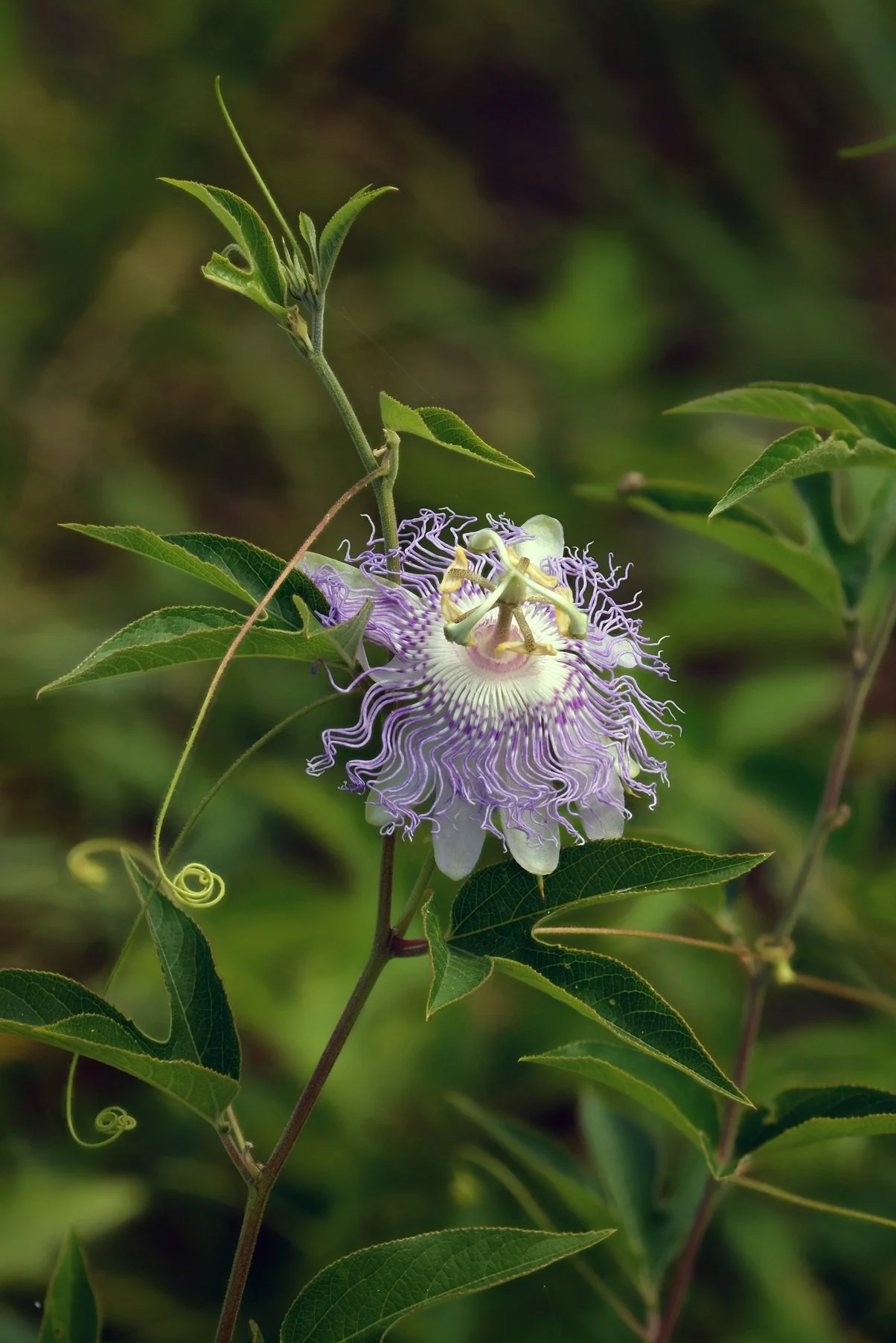
Native Plant of the Month: Purple Passionflower
The Purple Passionflower (Passiflora incarnata) is a fast-growing, vining perennial native to Northern Virginia. Often found climbing along sunny fields, forest edges, and local garden trellises, this hardy vine continues to display its intricate, vibrant purple blooms through September while simultaneously ripening smooth, yellow-green egg-sized fruit. The plant is also widely known as the "maypop" because its ripe, hollow fruits make a loud pop sound when stepped on. Beyond its unique noise and tropical appearance, the fruit's sweet, edible pulp offers a tart flavor reminiscent of guava, while the vine itself serves as an essential larval host for native butterflies like the Gulf Fritillary.
-
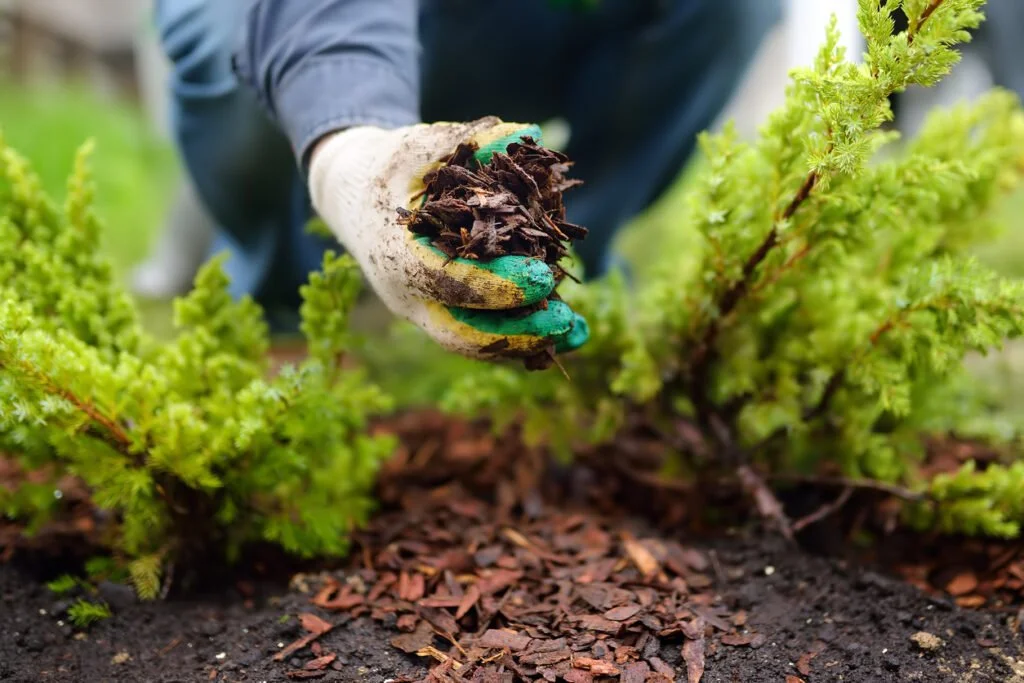
Horticultural Tip of the Month: Planting
September marks the true peak planting season in Northern Virginia, offering ideal conditions that often surpass spring for establishing trees, shrubs, perennials, and cool-weather crops. While summer's intense heat begins to wane, the soil retains plenty of warmth, encouraging deep root growth without forcing plants to stress over moisture loss. Warm soil combined with cooling, crisper air creates optimal conditions for roots to anchor firmly into the ground before winter arrives, giving spring-blooming perennials and cool-season vegetables like spinach, kale, and garlic a huge head start.
-
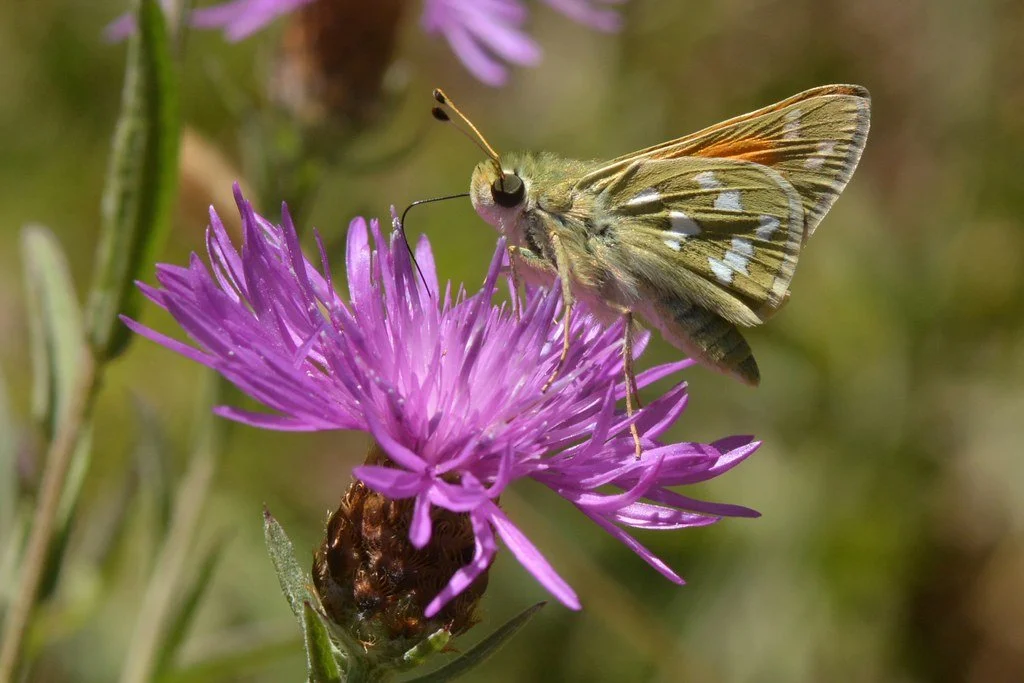
Invasive Plant of the Month: Spotted Knapweed
Spotted knapweed is an aggressive, non-native plant that poses a serious threat to Northern Virginia's meadows, pastures, and roadside habitats. Recognized by its thistle-like purple blooms and dark, spotted flower bracts, this weed dominates local ecosystems by competing with native flora for light, water, and soil nutrients. Beyond its fast growth and high seed output, spotted knapweed engages in chemical warfare known as allelopathy: its roots secrete toxic chemical compounds directly into the surrounding soil, inhibiting the germination and growth of neighboring plants. Spotted knapweed degrades wildlife habitat, reduces foraging quality for grazing animals, and increases soil erosion due to its shallow taproot system.